Featured Articles
Explore in-depth scientific explanations of active living physiology, movement patterns, and metabolic adaptation.
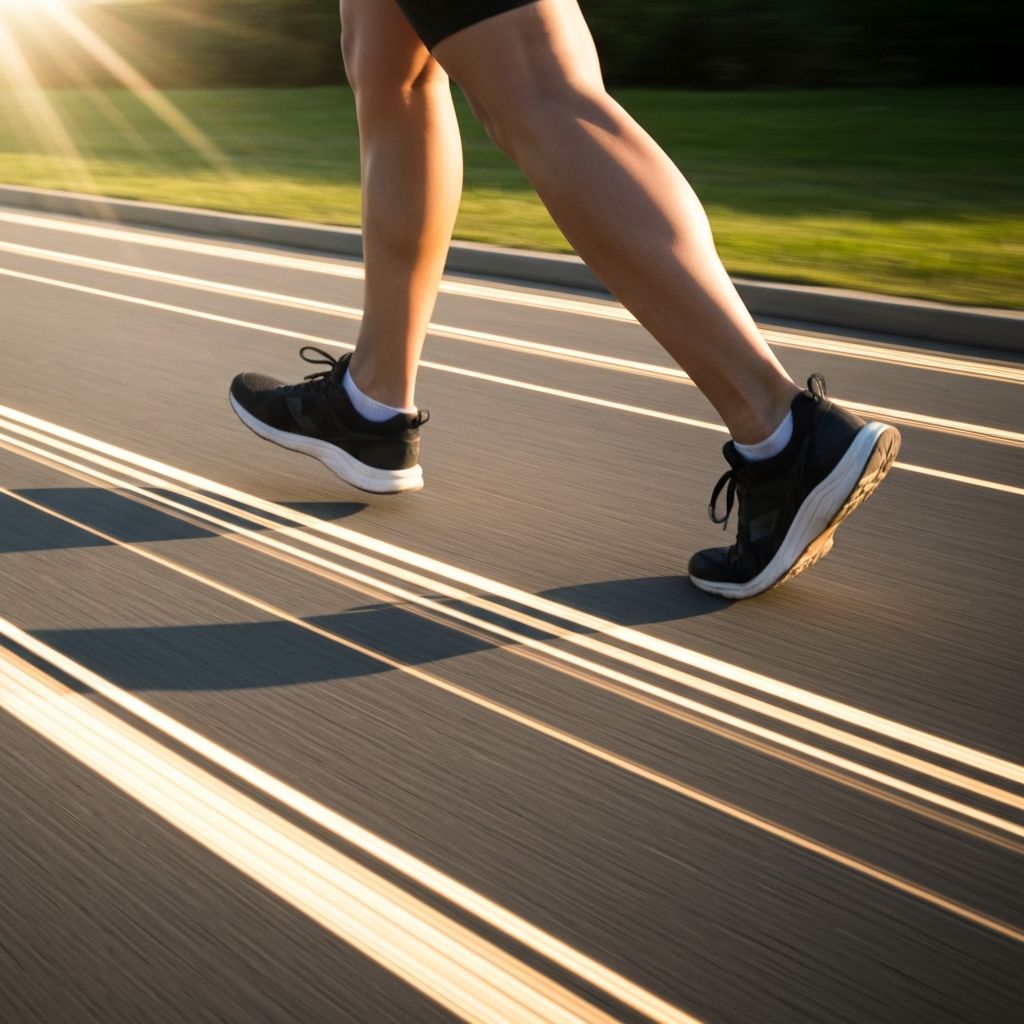
Understanding Movement Science
This article collection explores the physiological mechanisms by which everyday activities influence energy metabolism, systemic adaptation, and overall health indicators. Each article examines specific aspects of active living and its scientific basis.
All articles present evidence-based information for educational purposes.
Incidental Movement & Daily Energy Expenditure
Explore how everyday activities accumulate throughout the day to contribute significantly to total energy expenditure, independent of structured exercise programs.
Continue to the Explanation →Standing vs Sitting: Metabolic Differences
Understanding the physiological implications of different postural positions and how alternating between sitting and standing influences metabolic function and energy expenditure.
Continue to the Explanation →Stair Climbing in Routine Thermogenesis
Examining the role of stair climbing as a spontaneous daily activity and its measurable contribution to non-exercise energy expenditure and metabolic adaptation.
Continue to the Explanation →Fidgeting Behaviors in Energy Balance
Exploring how spontaneous movement patterns, fidgeting, and unconscious motion contribute to individual variation in total energy expenditure and metabolic output.
Continue to the Explanation →Walking Pace Variations and Caloric Impact
Understanding how walking speed, intensity, and terrain variations influence the energy cost of movement and contribute to daily metabolic expenditure.
Continue to the Explanation →Seasonal Changes in Spontaneous Activity
Examining how seasonal factors including daylight duration, temperature, and environmental conditions influence everyday activity levels and energy expenditure patterns.
Continue to the Explanation →More Information Available
Explore our comprehensive resource for detailed scientific understanding of active living and body weight dynamics.
Return to Home About This Resource